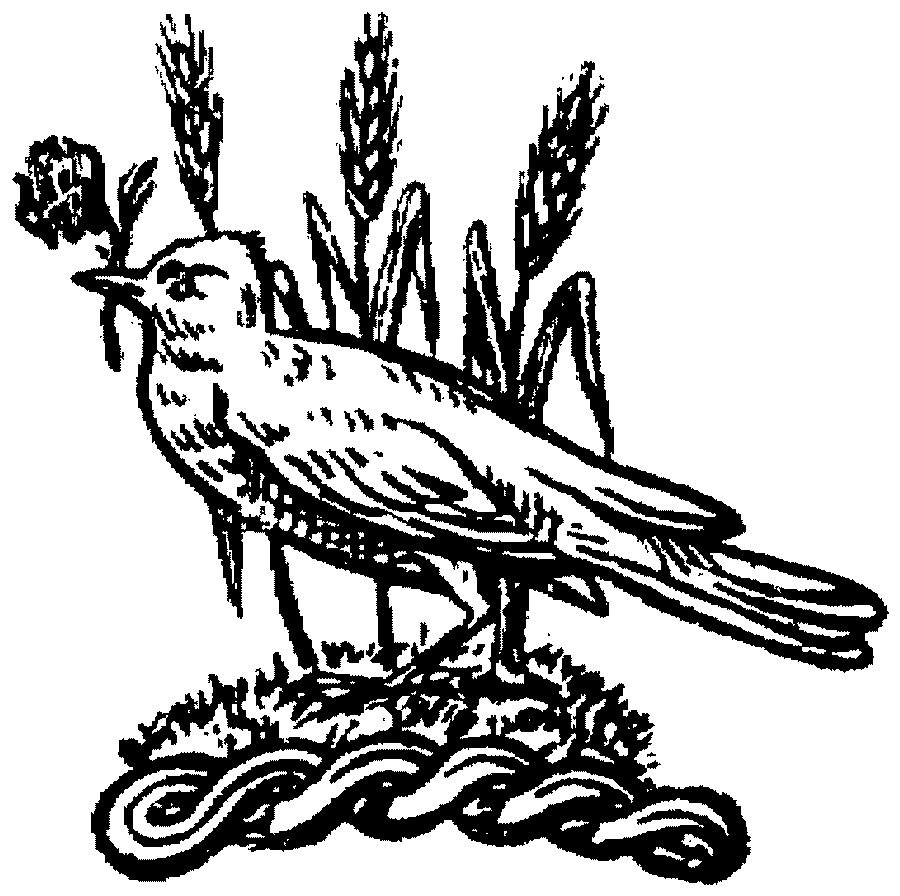
Siegmund is sitting against an ash tree in a clearing. Shade does not mitigate the sweltering heat, which heaves against the horizon in gauzy sheets. It’s so hot, even the birds are hiding, he thinks. As he scans for them, he remembers when his father took him bird hunting for the first time, how he wept and wept, begging his father not to shoot down the doves in the trees because they were of the singing-world, the world of language, but his father only laughed loftily at him, told him that one day he’d be lost in the woods where starvation would bear down upon him and then he wouldn’t cry so much. He put the bow in Siegmund’s hands, and shortly after, the sky darkened, the wind began to howl. Are you going to shoot or not?
Siegmund was afraid of thunder. He thought it would shatter him into pieces if it got too close, like a pane of glass. He knew his father had no qualms about locking him out of the house as a form of punishment, something he was supposed to understand later but never did. As the wind picked up, the birds did their best to remain hidden, but Wälse drew the whistle that always brought them out as if by magic. It was an evil morning, full of forboding.
I should’ve waited, Siegmund thinks, in hindsight. I should have stood my ground even though I never did with my father. I was too young to do it then, to shoot the birds, and even worse, he knew I could shoot them. Siegmund can still see the doves, hear the hollow thud of their soft bodies against the earth, their open, ringed eyes staring back at him and how in them all the world shrunk toward that convex center, the white glint of life. He remembers the crunch of bone against penetrated flesh, the last wing-beaten struggle against the arrow which only ever drove it deeper.
Pressing his palms against his eyes, he recalls how, as he shot at them, he stood there wishing his father would beat him instead. I wished I would have stopped shooting and that he would’ve beaten me for not wanting to shoot them and then after the beating we could have gone home. I was crying and he simply stood there watching. Please beat me, I thought, please put an end to my pain and of that which I hold dear. But the worst part of that day wasn’t even the thunder, or that the singing stopped, or that my father stood there while I wept or that I had raised my fist against language, thinks Siegmund in the heat. The worst part was that he was right about the starving.
The Scar